Viktor Otto · 4 October 2026
Tracing Innovation Patterns in Specialized Online Professional Services
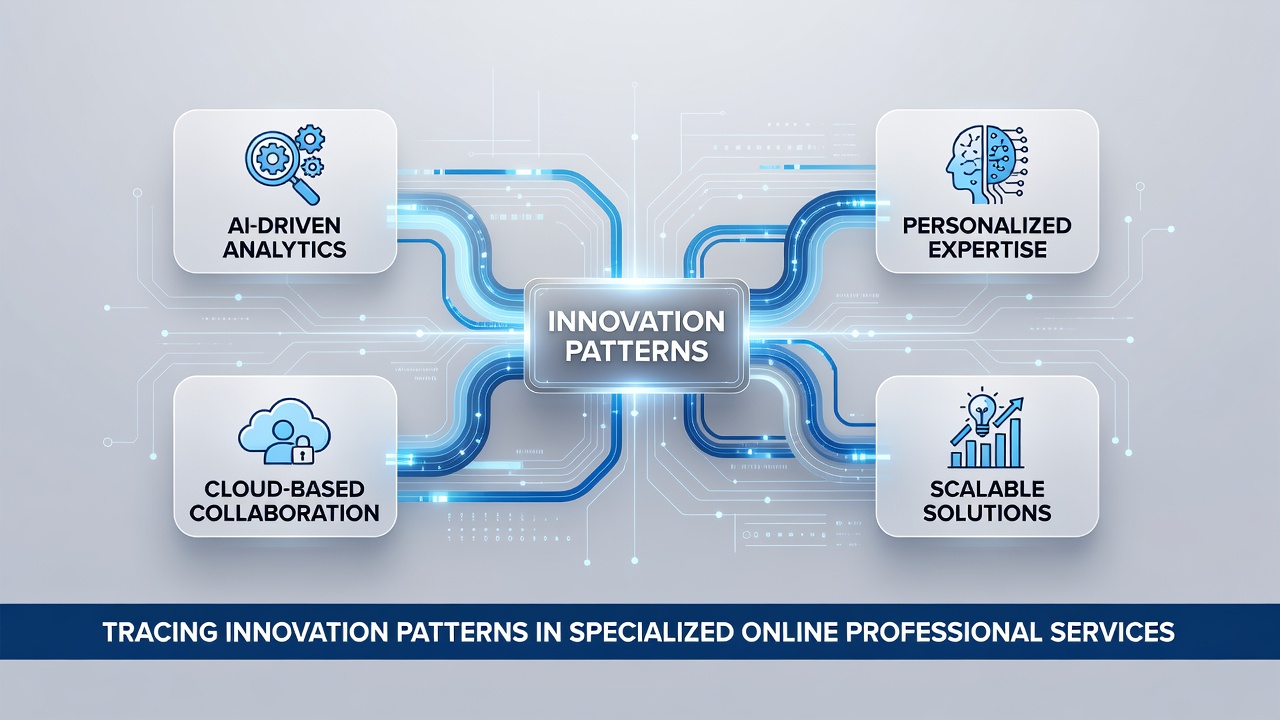
Specialized online professional services have developed distinct innovation patterns that differ from general consumer platforms, and researchers continue to map these shifts through longitudinal data sets collected between 2020 and 2026. These services, which include niche platforms for legal consultations, medical credentialing, engineering project management, and financial advisory networks, adopt new technologies at rates that reflect regulatory constraints and client verification requirements rather than rapid consumer trends. Data from multiple government statistical agencies shows that adoption of artificial intelligence tools in these sectors reached 47 percent among mid-sized providers by early 2026, while blockchain-based verification systems appeared in 29 percent of platforms operating across European and North American markets.
Early Patterns of Platform Differentiation
Observers note that innovation in this space began with modular feature additions rather than wholesale platform rebuilds, and companies that integrated compliance layers early gained measurable advantages in user retention metrics. Studies compiled by Statistics Canada indicate that professional service platforms incorporating automated document review functions between 2021 and 2023 experienced average traffic increases of 34 percent compared with those that delayed such features. This pattern emerged because clients in regulated industries demanded audit trails and data security guarantees before committing to digital workflows, which forced developers to prioritize backend infrastructure over flashy front-end interfaces.
One notable development occurred when several legal technology providers introduced cross-border case management modules that automatically adjusted for jurisdictional differences in contract law, and adoption data revealed that firms using these modules reduced administrative overhead by an average of 22 hours per month. Similar patterns appeared in medical credentialing services, where platforms added real-time license verification APIs that pulled directly from state and provincial registries, cutting onboarding times from weeks to days in documented implementations across Australia and the European Union.
Acceleration Through Data Integration in 2026
By October 2026 the pace of innovation had shifted toward deeper data integration across previously siloed professional categories, and reports from the OECD highlight that platforms combining client analytics with regulatory reporting tools captured larger market shares than single-function competitors. This integration allowed service providers to generate compliance reports automatically while simultaneously identifying cross-selling opportunities within their client bases, yet the technical requirements for maintaining data accuracy across multiple jurisdictions remained substantial. Research published by the University of Toronto's Rotman School of Management tracked 186 specialized platforms and found that those employing federated learning approaches for client data analysis reported 19 percent fewer security incidents than platforms relying on centralized data lakes.
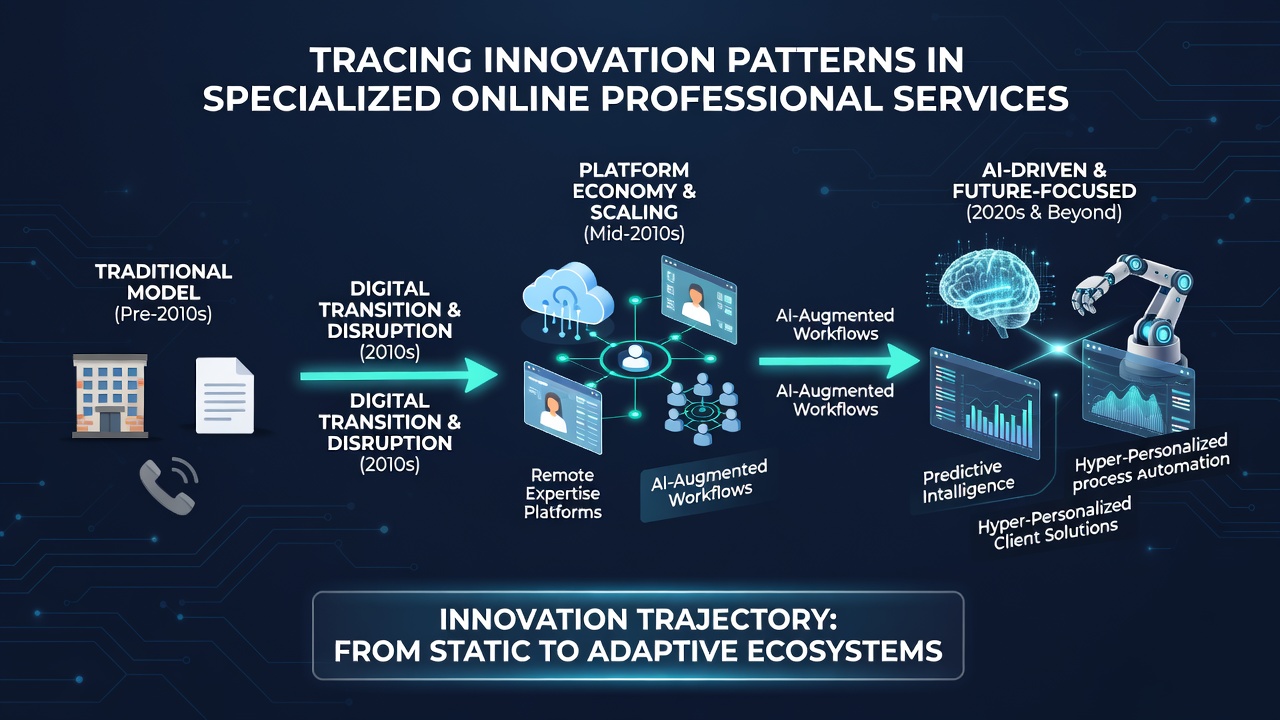
What's interesting is how these patterns repeat across unrelated professional fields, and analysts at the Australian Bureau of Statistics documented parallel increases in platform investment in both engineering consultancy tools and accounting workflow automation during the same period. The common thread appears to be the necessity of maintaining professional liability protections while introducing new efficiencies, which leads developers to test innovations in limited pilot groups before scaling them across entire user bases.
Geographic and Regulatory Influences
Innovation patterns also vary by regulatory environment, and platforms operating under the European Union's Digital Services Act implemented transparency reporting mechanisms faster than those in less prescriptive markets. Figures released by the European Commission show that 63 percent of professional service platforms headquartered in EU member states had deployed automated content moderation systems for client communications by mid-2026, compared with 41 percent of comparable platforms based in Canada. These differences create distinct innovation trajectories, where European platforms emphasize auditability and North American platforms focus more on speed-to-feature deployment.
Yet cross-pollination occurs when multinational clients demand consistent functionality across regions, and several platforms responded by creating configurable compliance modules that users could activate based on their primary operating jurisdictions. This modular approach reduced development duplication while still satisfying local requirements, and internal metrics shared in industry reports suggest that such flexibility contributed to higher client retention across borders.
Conclusion
Tracing innovation patterns in specialized online professional services reveals a sector that balances technological advancement with strict accountability demands, and the data collected through 2026 indicates continued evolution toward integrated analytics and regulatory automation. Platforms that align new features with existing professional standards rather than consumer expectations maintain stronger positions in their respective niches, while those that overlook jurisdictional variations encounter slower adoption cycles. The patterns documented across multiple regions and professional categories provide a framework for anticipating future developments in this evolving space.